IT Band Syndrome
One of the most common issues I see in my clinic is pain and discomfort around the knee joint and a feeling that the knee might give way when walking or doing exercise. This complaint is common among runners, cyclists, and other athletes, however it can happen to anyone who may have increased their workload or walking more than usual. In most cases this pain is usually caused by IT Band Syndrome, also known as Iliotibial Band Syndrome.
What is the IT Band?
The Iliotibial Band (IT Band) is a thick band of connective tissue that runs along the outside of the thigh, from the hip to the knee. Its role is to stabilise the knee during movement, especially during activities like running and cycling.
What Causes IT Band Syndrome?
IT Band Syndrome normally occurs when the IT band becomes tight or inflamed, leading to friction and irritation as it rubs against the outer knee. This often happens due to overuse or repetitive movements, such as running long distances, cycling or just an increase in your normal walking activity.
Symptoms of IT Band Syndrome
- Pain or tenderness on the outside of the knee, especially during activity
- Swelling or inflammation around the knee joint
- A clicking or popping sensation when bending or extending the knee
Managing IT Band Syndrome
How can you manage IT Band Syndrome and get back to pain-free? Here are some tips:
- Rest – Give your body time to heal by resting and avoiding activities that aggravate the pain.
- Stretching and Foam Rolling – Incorporate stretches and foam rolling exercises to loosen tight muscles around the IT band (don’t roll the IT band), such as the quadriceps, hamstrings, and glutes.
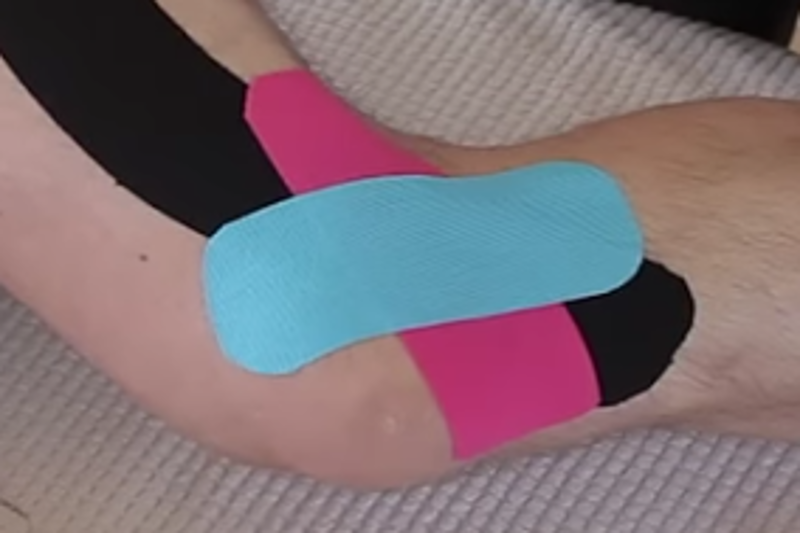
- Taping – I sometimes recommend taping (happy to show how to apply this.
- Strength Training – Strengthening exercises for the hips, glutes, and core can help improve stability and reduce strain on the IT band.
- Proper Biomechanics – Pay attention to your posture and form and make sure your equipment (e.g., shoes, bike) are properly fitted to avoid unnecessary stress on the IT band.
- Gradual Return to Activity – Once the pain subsides, gradually reintroduce activities while monitoring your symptoms. Start with low-impact exercises and gradually increase intensity and duration.
If in doubt ask
If your symptoms persist despite conservative treatments, it’s essential to seek professional help from a physical therapist or sports medicine specialist. They can provide a comprehensive assessment and develop a personalized treatment plan to address your specific needs.
Remember, listening to your body and addressing early signs of discomfort can help prevent IT Band Syndrome from becoming a chronic issue. By incorporating proper warm-up, cool-down, and recovery strategies into your routine, you can keep your IT band happy and stay active for the long haul.
Paul