Heart rate variability (HRV) refers to the variation in time between consecutive heartbeats. Rather than maintaining a constant rhythm, our heartbeat fluctuates slightly, even when at rest. These fluctuations are natural and are influenced by the autonomic nervous system (ANS), which regulates many of the body’s unconscious processes, including heart rate.
The ANS has two main components: the sympathetic nervous system (responsible for the “fight or flight” response) and the parasympathetic nervous system (responsible for “rest and digest” functions).
Monitoring HRV has become increasingly popular, particularly among athletes and fitness enthusiasts, as it provides insights into recovery, training readiness, and overall wellness. It’s also gaining attention in medical fields, as low HRV has been associated with conditions like cardiovascular diseases, diabetes, and depression.
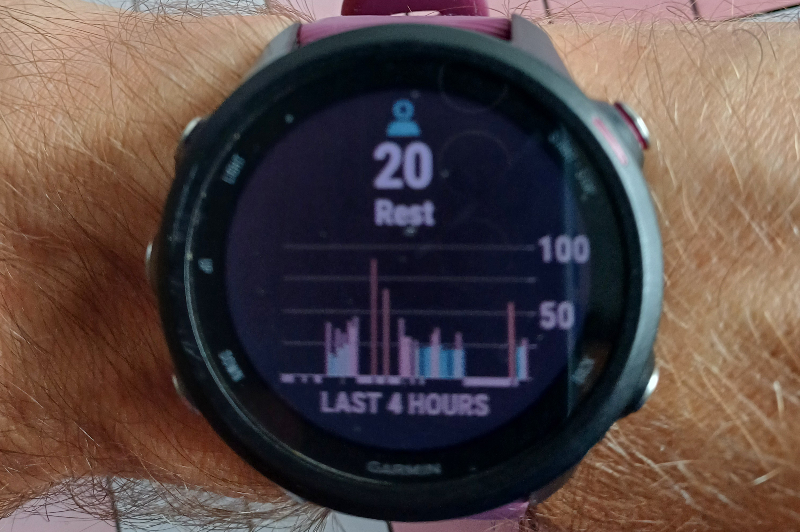
Tracking HRV through wearable devices can help individuals better understand their stress levels and recovery patterns, offering a valuable tool for optimising both physical and mental health. Unfortunately for me, my Garmin doesn’t have a specific HRV reading like some of the newer models but it does show my ‘stress’, ‘recovery’, ‘resting heart rate’ so it gives me an indication on where my fitness level and recovery needs to be.
Why High HRV is Generally Good
A high HRV is typically a sign of good health and fitness. It indicates that the body is able to efficiently switch between the sympathetic (“fight or flight”) and parasympathetic (“rest and digest”) systems, suggesting a well-balanced nervous system. This flexibility allows the body to handle stress, recover quickly, and maintain homeostasis. High HRV is associated with better cardiovascular fitness, reduced stress, improved recovery, and a lower risk of conditions like heart disease and hypertension.
Why Low HRV Can Be Problematic
A low HRV often reflects poor adaptation to stress or over-activation of the sympathetic nervous system. It can indicate that the body is under stress, whether from physical exertion, emotional strain, or illness. Low HRV has been linked to chronic stress, fatigue, poor sleep, and health problems such as anxiety, depression, and heart disease. When HRV is consistently low, it suggests the body struggles to recover, adapt, and maintain balance.
In general, a higher HRV is preferred as it signals resilience and adaptability, while low HRV can point to strain or underlying health issues. However, temporary drops in HRV can also occur after intense exercise or stressful situations, which is normal. The key is recovery and long-term trends in HRV rather than short-term fluctuations.
Heart Rate Variability (HRV) is highly individualised, and there isn’t a one-size-fits-all “good” or “bad” number. HRV varies based on factors like age, fitness level, and even time of day.
HRV Ranges
HRV is measured in milliseconds (ms), and typically the higher the number, the better. Here’s a broad guideline:
- Low HRV: Anything below 50 ms may indicate poor recovery, stress, or potential health issues, particularly in healthy, younger individuals.
- Moderate HRV: Values between 50-100 ms are often considered average for most people, indicating a moderate level of recovery and balance in the nervous system.
- High HRV: Anything above 100 ms generally indicates excellent autonomic flexibility and is more common in well-conditioned athletes or individuals in good cardiovascular health.
Individual Variation
- Age: HRV tends to decrease naturally with age. Young, healthy individuals usually have higher HRV compared to older adults.
- Fitness: Athletes often have higher HRV due to better cardiovascular efficiency and quicker recovery.
Daily Tracking
When monitoring HRV, it’s important to focus on trends rather than specific numbers. Sudden drops in HRV might signal over-training, stress, or illness, while consistent higher values generally suggest good health and recovery.
Thanks for reading
Paul
NB: This blog was initially generated by AI but then edited and rewritten by myself using different sources of information. Paul