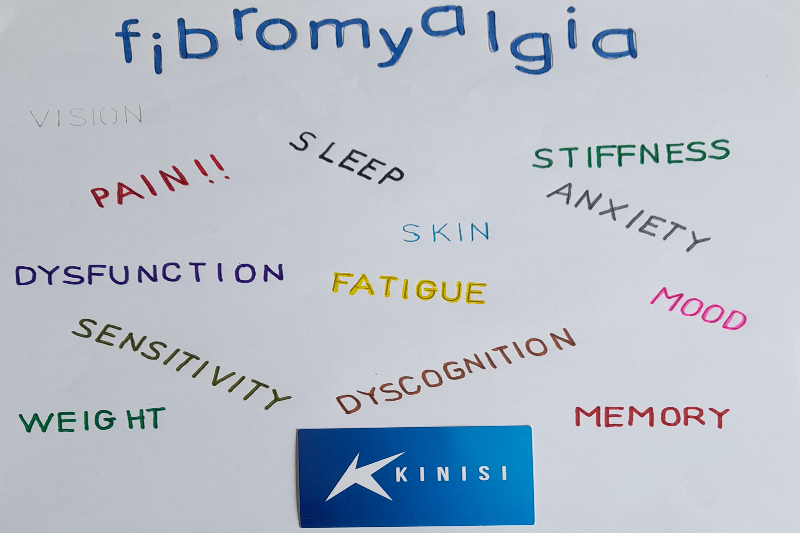
What is fibromyalgia? Fibromyalgia is derived from ‘fibro’ for the fibrous tissues it affects, ‘my’ – indicating the muscles and ‘algai’ meaning pain.
The actual cause has yet to be identified, but it is thought that it could be a sudden trauma that acts as a trigger (either physical or emotional). Recent research has suggested that fibromyalgia sufferers are deprived of deep restorative sleep and a deficiency in serotonin in the central nervous system (serotonin makes you calmer and therefore could be why deep sleep is affected).
It has also been identified that there is a threefold increase in the neurotransmitter responsible for transmitting
pain signals normally found in the spinal fluid. This might mean that people with fibromyalgia experience pain when others might only experience aching or stiffness.
Other fibromyalgia symptoms include problems with mood and anxiety, cognitive problems (often referred to as brain fog), which can cause the person to experience a lack of concentration. It may also lead to an inability to process information and memory, and speech problems.
Some of the symptoms of fibromyalgia have already been mentioned, such as increased sensitivity to pain and difficulty falling or staying asleep, which leads to fatigue (mixing words up for example). Headaches, light-headedness, dry mouth, eyes, and nose, as well as heightened sensitivity to heat, cold, bright lights, and allergen-containing substances, are some other symptoms that can occur.
Fibromyalgia can occur at any age, but it is more common between the ages of 30 and 50, according to research, and it affects more women than men.
Fibromyalgia does not have a known cure, however painkillers and antidepressants can help manage the pain and psychological problems the condition is associated with. It has been found, though, that lifestyle adjustment can also help lessen some of the symptoms.
For instance, it is widely recognised that exercise is important for fibromyalgia patients as it helps with lessening the pain that they experience.
It is also thought that relaxation techniques and soft tissue massage can help as it eases deep muscle pain, stretching, softening, and lengthening the muscles, and easing off any tender or tight areas of discomfort. The stimulation will help your body relax, and endorphins are released which lift the mood, increase a sense of calm, and reduce anxiety. If the client is suffering from fatigue, anxiety, depression, etc the release of these hormones should help them relax and sleep better.
Signposting people to the numerous organisations that can support sufferers with fibromyalgia is highly recommended, there is a lot of ongoing research and information out there to help with this treating this illness.
If you would like to find out more about fibromyalgia, please click on the links below: