As mentioned in previous posts, professional people like to use acronym’s in their speak to either sound clever or more realistically it is easier than pronouncing some of the labels given to certain things.
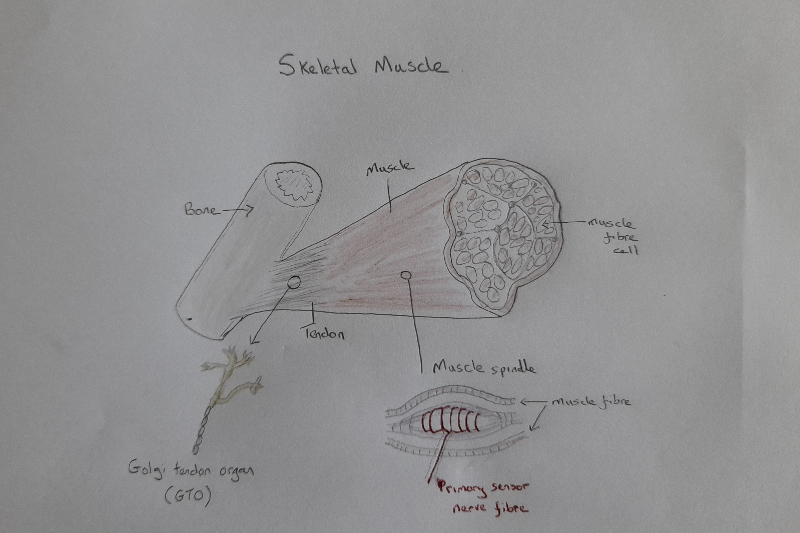
One of those acronym’s used in Sports Therapy is MET’s or Muscle Energy Techniques is a number of different techniques that fall under the same umbrella and as the name suggests it uses the energy in the muscle.
- PIR (Post Isometric Relaxation)
- RI (Reciprocal Inhibition)
- PNF (Proprioceptive Neuromuscular Facilitation)
- PRT (Positional Release Technique)
Each of the techniques are slightly different but they are all designed to use the energy stored in the muscle to improve the range of motion and the length of the muscle (It is not a stretch).
It is a great technique to be used in the early stages of rehabilitation and also during a general treatment as it has many benefits such as:-
- Reducing muscle tension
- Increasing the Range of Motion (ROM)
- Reduce adhesions
- Restore muscle tone
- Improve proprioception (awareness of the position and movement of the body)
- Increase the functional strength of the muscle and strengthen weakened muscles
- Boost circulation
When an MET is being performed the client/you will be actively participating, firstly by demonstrating current range of motion (so I may ask you to raise your leg as far as you can, comfortably) and then asked to resist by anything from 20% to 100% effort – this isn’t a challenge by the way to push me out of the room but we are trying to activate specific neurological responses (challenging the brain to allow the muscle to do more than it thinks it can).
I will also be asking you to breathe in and hold your breath for 10 seconds or so, but if I forget to say relax and you are going purple then please let me know!
So, a very beneficial technique and a good one for the client to see immediate benefits and realise they are not quite as inflexible as they thought they were!
Hope you found this of interest and thanks for reading.
Paul